 ×
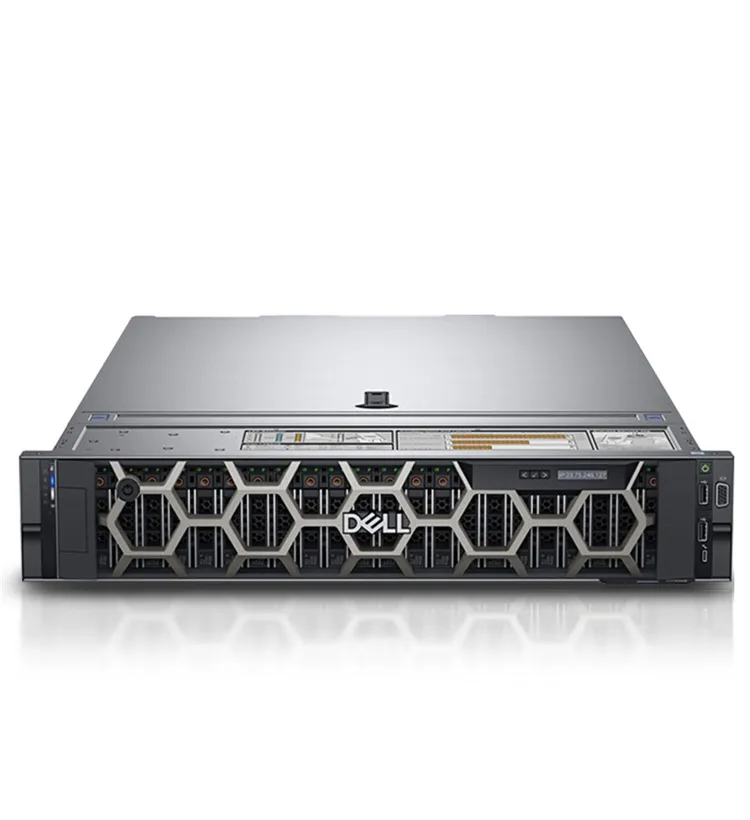
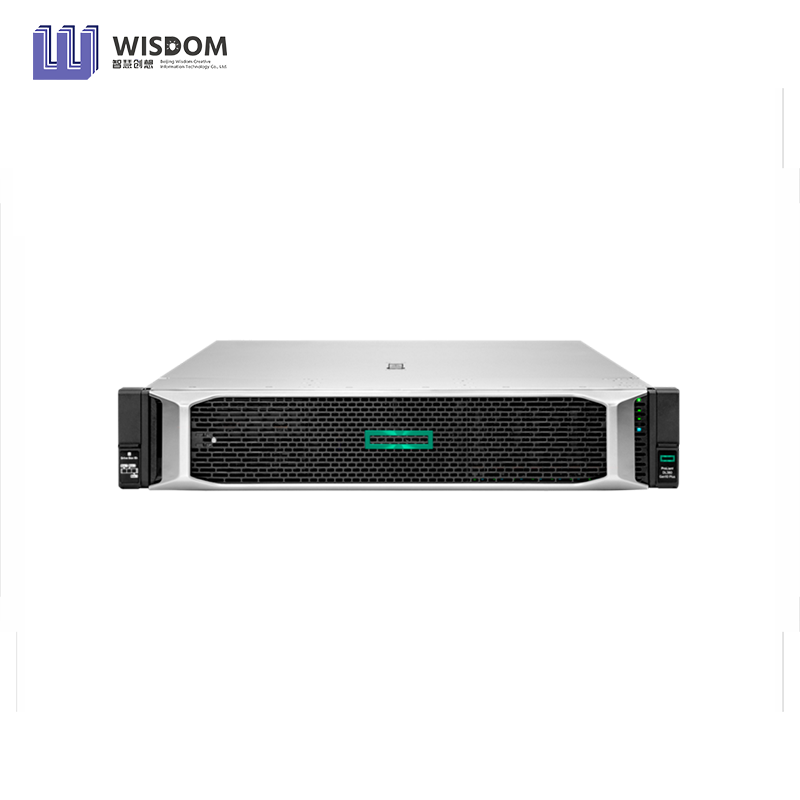
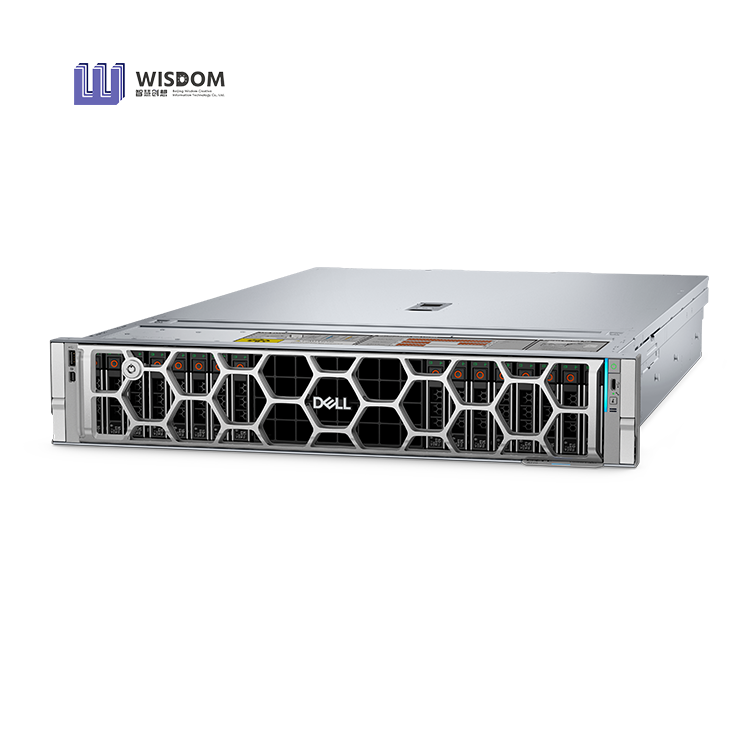
Server storage refers to the hardware and software components dedicated to storing data within server systems, serving as the backbone for data-intensive operations in IT infrastructures. It encompasses a range of storage solutions, including internal drives (HDDs, SSDs) installed directly in servers, external storage arrays connected via interfaces like SAS or NVMe, and networked storage systems that integrate with servers over LANs or SANs. The primary role of server storage is to ensure fast, reliable access to data for applications, virtual machines, user files, and backups, directly impacting server performance and overall system efficiency. Key considerations in server storage design include capacity, speed, redundancy, and scalability. Capacity requirements vary widely, from small servers with a few terabytes of storage to enterprise-grade systems needing hundreds of terabytes or more, often achieved through drive bays that support multiple HDDs or SSDs. Speed is critical for reducing latency, with SSDs and NVMe drives offering significantly faster read/write speeds compared to traditional HDDs, making them ideal for high-performance workloads like databases and virtualization. Redundancy is ensured through RAID configurations, which distribute data across multiple drives to prevent loss in case of hardware failure, and hot-swappable components that allow drive replacements without shutting down the server. Scalability is essential for growing businesses, with server storage systems supporting expansion via additional drives, external storage enclosures, or integration with networked storage solutions like NAS or SAN. Software plays a vital role in optimizing server storage, with features such as storage virtualization, which pools physical storage resources for efficient allocation, and data deduplication, which reduces redundant data to save space. Security features include encryption for sensitive data, access controls to restrict unauthorized use, and audit logging to track storage activities. Energy efficiency is addressed through low-power drives, intelligent power management that reduces energy use during idle periods, and heat-efficient designs that lower cooling costs. Server storage is designed to integrate seamlessly with various server brands and models, ensuring compatibility across diverse IT ecosystems. Whether for small businesses needing reliable local storage or large enterprises requiring distributed, high-performance systems, server storage is a critical component that balances performance, reliability, and cost to support modern computing needs.

06
Jun
04
Aug
05
Aug

 EN