 ×
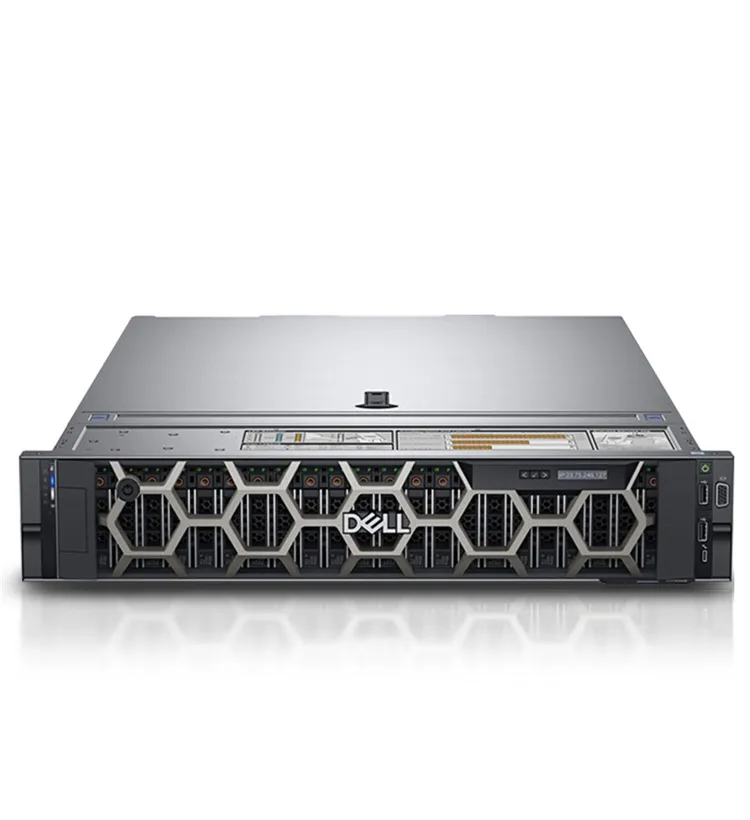
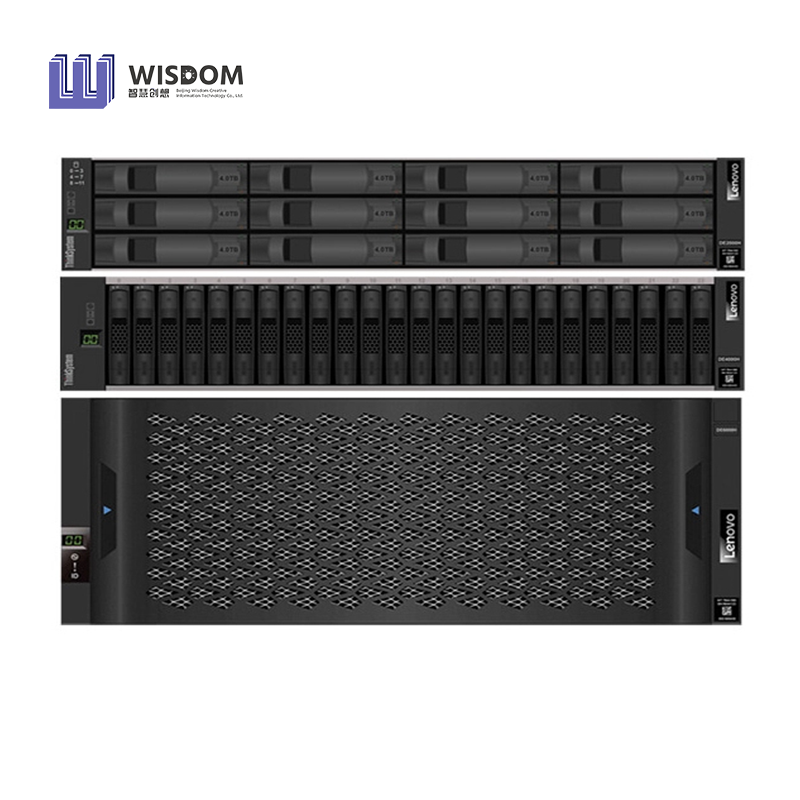
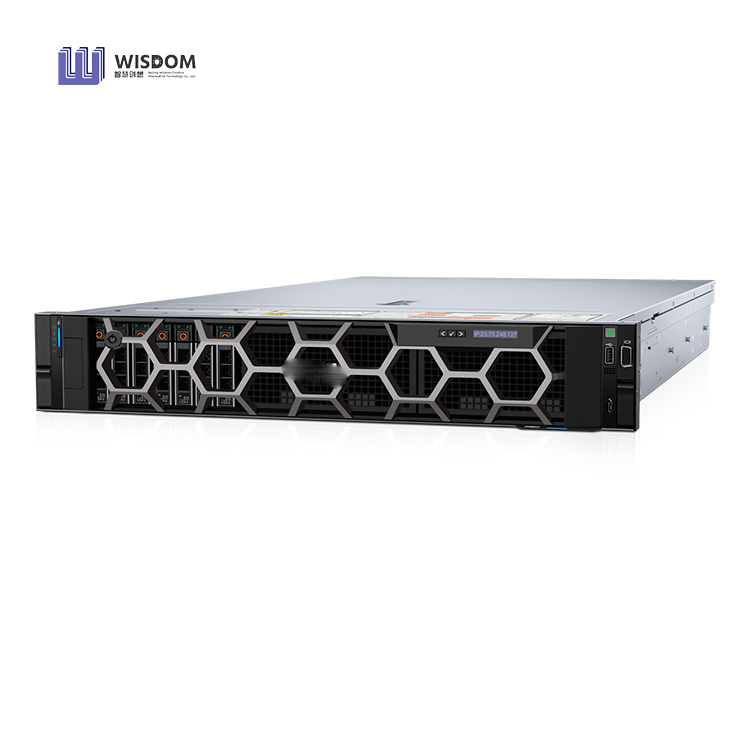
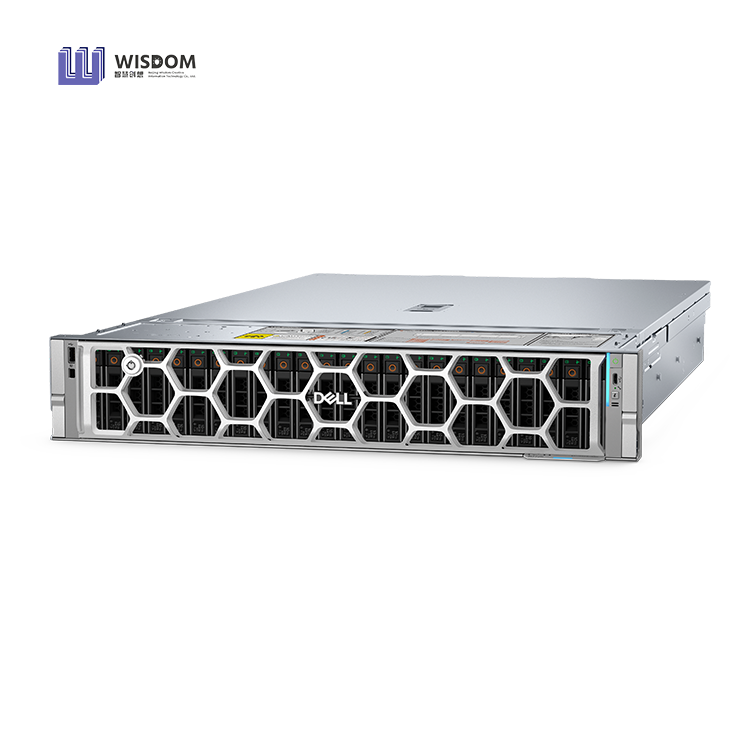
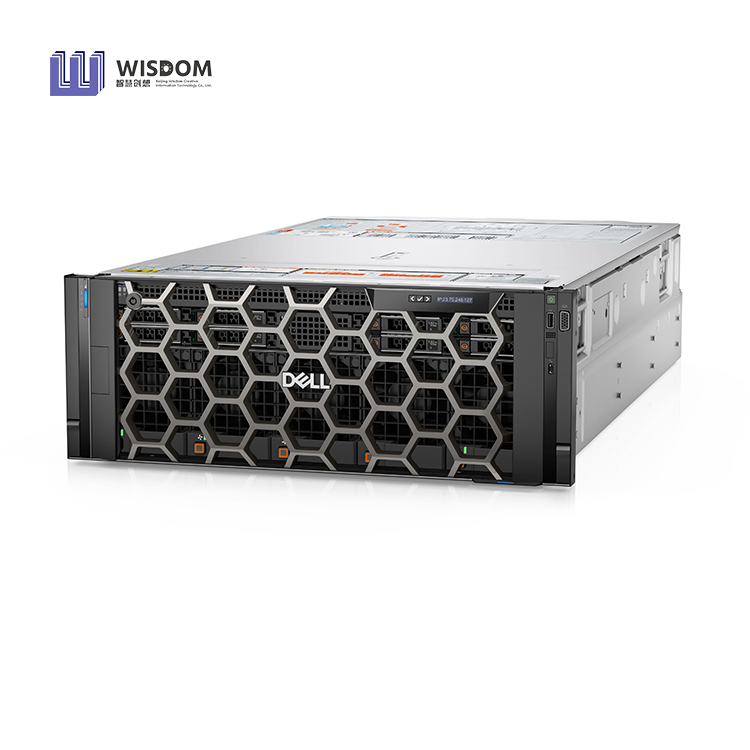
SAN storage server, or Storage Area Network storage server, is a high-performance, dedicated storage solution designed to provide block-level data access to multiple servers over a specialized network. Unlike NAS (Network-Attached Storage), which focuses on file-level sharing, SAN operates at the block level, making it ideal for applications requiring low latency, high throughput, and consistent performance—such as databases, virtualization platforms, and mission-critical enterprise systems. SAN storage servers are typically deployed in large organizations or data centers where centralized, scalable, and resilient storage is essential. The architecture of a SAN storage server involves a dedicated network (using Fibre Channel, iSCSI, or NVMe over Fabrics) that separates storage traffic from general LAN traffic, reducing congestion and ensuring predictable performance. This separation allows servers to access storage resources as if they were directly attached, while the SAN itself manages data distribution across multiple drives or arrays, often using advanced technologies like RAID, clustering, and data deduplication to optimize efficiency and reliability. Scalability is a defining feature, as SAN storage servers can easily expand by adding more storage arrays, enclosures, or drives, supporting petabytes of data to meet growing business needs. Redundancy is built into every component—from power supplies and controllers to network links—minimizing the risk of downtime and ensuring continuous data availability. Security is paramount, with features such as LUN (Logical Unit Number) masking to restrict access, encryption for data in transit and at rest, and role-based access control (RBAC) to manage administrative privileges. Management tools for SAN storage servers provide centralized visibility into storage usage, performance metrics, and fault detection, enabling administrators to optimize resource allocation and troubleshoot issues efficiently. Integration with virtualization platforms (e.g., VMware, Hyper-V) is seamless, with features like thin provisioning and snapshots that enhance resource utilization and support agile IT operations. Energy efficiency is addressed through technologies like adaptive power management, which adjusts energy consumption based on workload, and efficient cooling systems that reduce operational costs. SAN storage servers are a cornerstone of enterprise IT infrastructures, offering the performance, reliability, and scalability needed to support the most demanding applications, while ensuring data integrity and business continuity.

06
Jun
04
Aug
05
Aug

 EN